
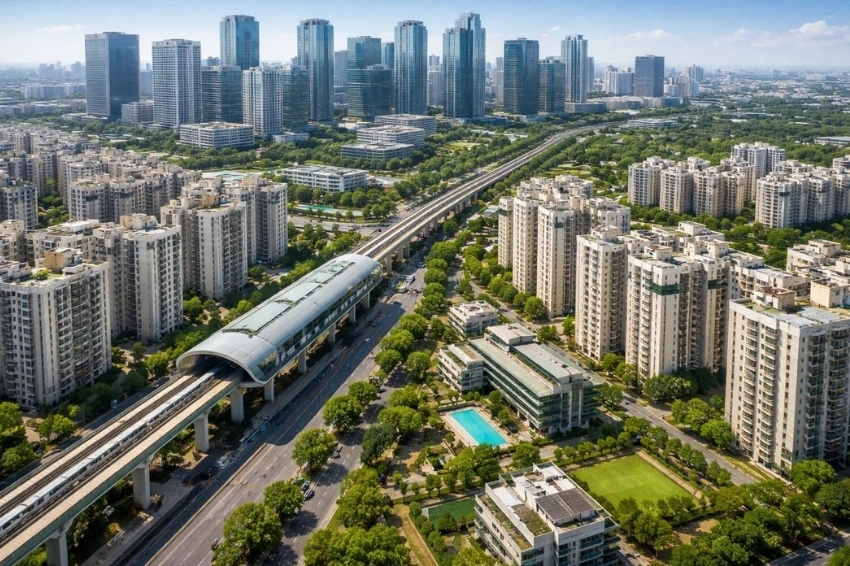
When buying a property, many people focus on factors such as location, budget, builder reputation, and amenities. While these are all important, one factor that often has the greatest impact on a property's future value is infrastructure development. New roads, metro rail projects, airports, IT parks, schools, hospitals, and commercial hubs can significantly influence property prices and create excellent opportunities for real estate investment.
Whether you're purchasing a home for your family or investing for long-term returns, understanding how infrastructure affects property values can help you make smarter real estate decisions. In this guide, we'll explore why infrastructure plays such a crucial role in shaping property appreciation and what buyers should look for before investing.
What Is Infrastructure Development?
Infrastructure development refers to the construction and improvement of essential public facilities that support economic growth and improve the quality of life. These developments include:
- Roads and highways
- Metro rail and public transport
- Airports
- IT parks and business centres
- Schools and educational institutions
- Hospitals and healthcare facilities
- Shopping centres and entertainment hubs
- Water supply and drainage systems
As infrastructure improves, an area becomes more accessible, convenient, and attractive to both homebuyers and businesses, leading to increased demand for real estate.
Why Infrastructure Development Increases Property Prices
One of the biggest reasons property prices rise is increased demand. When a new metro station, highway, or commercial hub is announced, more people begin considering the area as a place to live or invest.
Improved connectivity reduces travel time, while better public facilities enhance the overall lifestyle. As demand increases and the supply of quality properties remains limited, property values often appreciate over time.
For investors, this creates an opportunity to purchase properties in developing locations before prices reach their peak.
Better Connectivity Creates Higher Demand
Accessibility is one of the most important factors influencing real estate investment.
Properties located near:
- Major highways
- Metro stations
- Railway stations
- Airports
- Bus terminals
are generally more attractive because they make daily commuting easier.
For working professionals and families, shorter travel times mean greater convenience, making such locations highly desirable. As demand grows, property values and rental demand often increase as well.
Business Hubs and Employment Opportunities
The development of IT parks, business districts, and industrial zones often transforms nearby residential markets.
When companies establish offices in a particular area, employees naturally seek homes close to their workplaces. This increases demand for apartments, villas, and rental properties.
For investors, purchasing property near employment hubs can provide two major benefits:
- Better rental income
- Strong long-term property appreciation
Growing employment opportunities are often a strong indicator of future real estate growth.
Schools, Hospitals, and Lifestyle Amenities
Modern homebuyers don't just look at the property—they also evaluate the surrounding neighbourhood.
Areas with quality:
- Schools
- Colleges
- Hospitals
- Supermarkets
- Parks
- Restaurants
- Shopping malls
are often preferred because they offer greater convenience and improve everyday living.
These lifestyle advantages contribute to stronger buyer demand, which can positively influence both resale value and rental potential.
Infrastructure and Rental Demand
Infrastructure development doesn't just affect buyers—it also attracts tenants.
Rental properties located near business centres, educational institutions, and transport hubs usually experience:
- Higher occupancy rates
- Better rental income
- Lower vacancy periods
This makes infrastructure an important consideration for anyone purchasing an investment property.
How to Identify High-Growth Locations
Before investing, look beyond the current condition of an area. Research future development plans that may influence property values over the next five to ten years.
Consider:
- Upcoming road and highway projects
- Metro rail expansion
- Proposed IT parks
- New commercial developments
- Government infrastructure initiatives
- Planned educational and healthcare facilities
Properties purchased in developing locations often have greater appreciation potential than those in already mature markets.
Don't Rely Only on Announcements
While future infrastructure projects can increase property values, buyers should avoid making investment decisions based solely on announcements.
Before purchasing:
- Verify that projects have received official approval.
- Understand realistic completion timelines.
- Evaluate the area's existing infrastructure.
- Consider current market demand.
A balanced approach helps reduce investment risk and supports better decision-making.
Infrastructure Is Only One Part of the Equation
Although infrastructure plays a significant role in property appreciation, it shouldn't be the only factor you evaluate.
A successful real estate investment also depends on:
- Builder reputation
- Construction quality
- Legal documentation
- Property maintenance
- Community amenities
- Overall market conditions
Considering all these factors together helps ensure a sound long-term investment.
Conclusion
Infrastructure development has a direct impact on property prices by improving connectivity, attracting businesses, enhancing lifestyle amenities, and increasing overall demand. Whether it's a new highway, metro line, airport, or commercial hub, these developments can significantly influence both property appreciation and rental income.
Before investing in real estate, take the time to research not only the property's current location but also the area's future development plans. A well-located property supported by strong infrastructure, quality construction, and growing demand is more likely to deliver long-term value and attractive returns.
Making informed decisions today can help you build a stronger and more rewarding real estate investment portfolio in the future.