
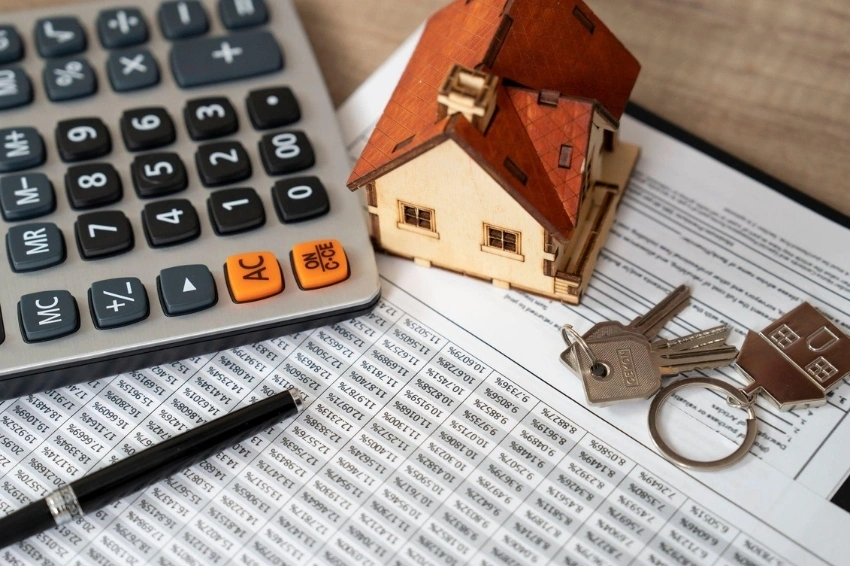
Buying a property is one of the most significant financial decisions a person can make. While most buyers focus on the purchase price, the actual cost of owning a property goes far beyond the amount paid to acquire it. From registration charges and taxes to maintenance expenses and future repairs, there are several costs that every property owner should understand before making an investment.
Whether you're purchasing your first home, investing in an apartment, or buying a commercial property, knowing the total cost of property ownership will help you plan your finances better and avoid unexpected expenses. Here are the key costs every buyer should consider.
Purchase Price Is Only the Beginning
The purchase price is the largest expense, but it represents only the starting point of your investment.
Before finalizing a property, compare similar properties in the area to ensure you're paying a fair market price. Also, consider factors such as location, construction quality, future development, and resale potential rather than focusing solely on the asking price.
A well-chosen property can provide better long-term value despite having a slightly higher purchase price.
Registration and Stamp Duty Charges
Property registration is a mandatory legal process that transfers ownership from the seller to the buyer.
In addition to the purchase price, buyers must budget for registration charges and stamp duty as applicable under state regulations. These costs vary depending on the property's value and location and should be factored into your overall budget before completing the transaction.
Home Loan Costs
If you're financing your purchase through a home loan, remember that borrowing comes with additional expenses.
These may include:
• Loan processing fees
• Interest payments
• Documentation charges
• Insurance requirements, where applicable
Comparing loan options from different financial institutions can help reduce the overall borrowing cost.
Interior and Furnishing Expenses
Many buyers underestimate the cost of making a property ready for occupancy.
Depending on the property's condition, you may need to budget for:
• Modular kitchen installation
• Wardrobes
• Lighting fixtures
• Furniture
• Curtains
• Home appliances
• Interior decoration
Planning these expenses in advance helps avoid financial strain after taking possession.
Maintenance Charges
For apartments and gated communities, monthly or annual maintenance charges are an important part of property ownership.
These charges typically cover:
• Security services
• Cleaning of common areas
• Landscaping
• Lift maintenance
• Power backup systems
• Community amenities
Understanding the maintenance structure before purchasing a property helps you estimate your recurring monthly expenses.
Property Tax and Utility Bills
Every property owner is responsible for paying applicable property taxes and utility charges.
Regular expenses may include:
• Property tax
• Water charges
• Electricity bills
• Waste management fees
• Internet and communication services
Although these costs may appear manageable individually, they become a significant part of long-term property ownership.
Repairs and Ongoing Maintenance
Every property requires periodic maintenance to preserve its value and functionality.
Common expenses include:
• Painting
• Plumbing repairs
• Electrical maintenance
• Waterproofing
• Appliance servicing
• General repairs
Ignoring routine maintenance can lead to larger and more expensive repairs in the future.
Insurance for Added Protection
While not mandatory in every case, property insurance can provide valuable financial protection against unforeseen events such as natural disasters, fire, theft, or accidental damage.
For many homeowners, insurance offers peace of mind and helps safeguard one of their most valuable assets.
Society or Association Charges
In residential communities, homeowners may also be required to contribute towards society or association funds.
These contributions may be used for:
• Major building repairs
• Facility upgrades
• Community improvements
• Emergency maintenance
Understanding these charges beforehand can help you avoid unexpected financial commitments.
Future Renovation Costs
As your family's needs evolve, you may decide to renovate or upgrade your property.
Possible future expenses include:
• Kitchen renovations
• Bathroom upgrades
• Flooring replacement
• Smart home installations
• Energy-efficient improvements
Planning for future upgrades allows you to maintain the property's appeal and enhance its long-term value.
Why Planning the Total Cost Matters
Many buyers carefully budget for the purchase price but overlook the ongoing costs of ownership.
Considering all expenses before buying helps you:
• Create a realistic financial plan
• Avoid unexpected costs
• Manage monthly expenses comfortably
• Protect your investment over the long term
• Make better property-buying decisions
A comprehensive understanding of ownership costs allows buyers to choose a property that fits both their lifestyle and financial goals.
Conclusion
The true cost of owning a property extends well beyond the purchase price. Registration charges, home loan expenses, maintenance fees, property taxes, repairs, insurance, and future upgrades all contribute to the overall cost of ownership.
By understanding these expenses before making a purchase, buyers can plan their finances more effectively and avoid unpleasant surprises later. A well-informed decision not only makes property ownership more affordable but also helps protect the long-term value of your investment.