
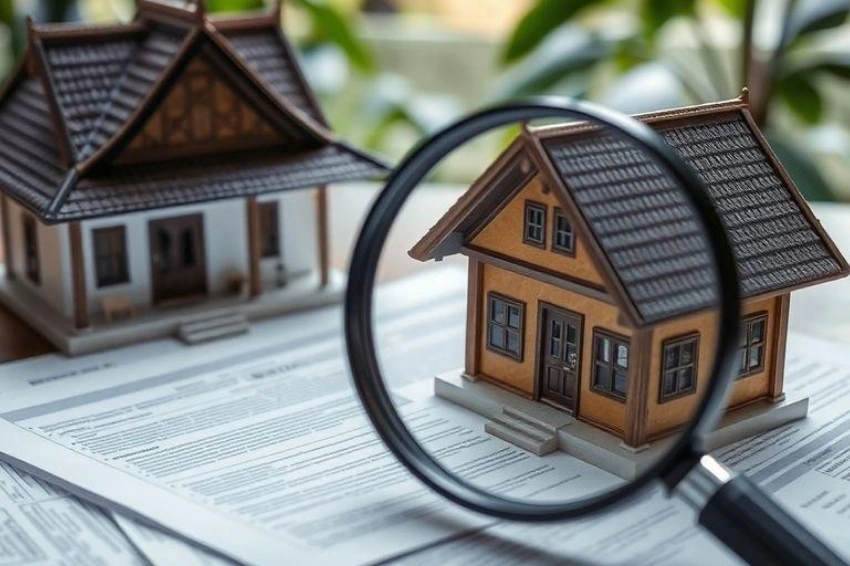
Buying a property is one of the biggest financial decisions you'll ever make. Whether you're purchasing an apartment, villa, plot, or commercial space, it's essential to ensure that the property legally belongs to the seller and is free from disputes. This is where property title verification becomes one of the most important steps in the property buying process.
Many buyers focus on location, price, amenities, and builder reputation but overlook the legal ownership of the property. Skipping title verification can lead to ownership disputes, financial losses, and legal complications that may take years to resolve. Conducting proper property due diligence before making a purchase helps protect your investment and gives you peace of mind.
In this guide, we'll explain why title verification matters, the documents involved, and how buyers can ensure a safe property purchase.
What Is Property Title Verification?
Property title verification is the process of confirming that the seller has a clear and legal right to sell the property. It involves examining ownership records, legal documents, approvals, and the property's transaction history.
The objective is to ensure that:
- The seller is the lawful owner.
- The property has a clear and marketable title.
- There are no legal disputes or ownership claims.
- The property is free from financial liabilities or encumbrances.
- All necessary approvals and permissions have been obtained.
A clear title is the foundation of a safe real estate transaction.
Why Is Property Title Verification So Important?
A property may appear perfect on paper, but hidden legal issues can create serious problems after the purchase.
Proper property title verification helps buyers:
- Confirm legal ownership.
- Avoid fraudulent transactions.
- Identify pending loans or mortgages.
- Detect ongoing legal disputes.
- Ensure the property can be legally transferred.
- Reduce future legal risks.
Taking time to verify ownership before signing any agreement can save significant time, money, and stress later.
Important Documents to Verify
A thorough title verification process involves reviewing several key property documents.
Sale Deed
The Sale Deed is one of the most important ownership documents. It confirms that ownership has been legally transferred from the previous owner to the current owner.
Title Deed
The Title Deed establishes the legal ownership of the property. Buyers should verify that the title is clear, valid, and free from disputes.
Encumbrance Certificate (EC)
An Encumbrance Certificate shows whether the property has any registered financial liabilities, such as loans, mortgages, or legal claims.
Reviewing the EC helps buyers confirm that the property is free from registered encumbrances during the specified period.
Property Tax Receipts
Regular payment of property taxes indicates responsible ownership. Buyers should verify that all outstanding taxes have been paid before completing the purchase.
Approved Building Plan
For apartments and constructed properties, ensure that the building has been developed according to the plans approved by the relevant local authority.
Occupancy Certificate and Completion Certificate
For completed apartment projects, these certificates confirm that the building complies with applicable regulations and is fit for occupation, where required by the local authority.
Check the Ownership History
One important part of property due diligence is reviewing the ownership history.
Understanding how ownership has changed over time helps identify:
- Multiple ownership transfers within a short period.
- Inheritance-related issues.
- Missing ownership records.
- Potential legal disputes.
A transparent ownership history provides greater confidence during the purchase process.
Verify Whether the Property Has Any Legal Disputes
Before purchasing a property, check whether it is involved in any ongoing litigation or legal dispute.
Legal disputes may relate to:
- Ownership claims
- Family inheritance
- Boundary disagreements
- Court proceedings
- Financial recovery cases
Buying a property involved in litigation can delay possession and create unnecessary legal complications.
Ensure All Required Approvals Are Available
If you're purchasing an apartment or a newly constructed property, verify that all required approvals have been obtained from the relevant authorities.
These may include:
- Building plan approval
- Development permits
- Occupancy-related approvals (where applicable)
- Other local authority permissions
Proper approvals indicate that the project has been developed in accordance with applicable regulations.
Why Professional Legal Assistance Matters
While buyers can review basic property documents, legal verification is best handled by an experienced property lawyer.
A legal professional can:
- Examine title documents.
- Verify ownership records.
- Identify legal risks.
- Review agreements.
- Confirm document authenticity.
- Advise on potential issues before the purchase.
Professional legal assistance significantly reduces the chances of costly mistakes.
Common Mistakes Buyers Should Avoid
Many property buyers unintentionally expose themselves to risk by making avoidable mistakes.
Avoid:
- Relying only on verbal assurances.
- Purchasing without verifying ownership documents.
- Ignoring the Encumbrance Certificate.
- Skipping professional legal advice.
- Paying large advances before completing due diligence.
- Assuming every property listed for sale has a clear title.
Careful verification is always better than resolving legal issues after the purchase.
Conclusion
Property title verification is one of the most important steps before buying any real estate. It confirms legal ownership, identifies potential risks, and ensures that your investment is protected from future disputes. Whether you're buying a home for your family or investing in real estate, thorough property due diligence should never be overlooked.
Before signing any agreement or making a payment, verify ownership documents, review the property's legal history, check statutory approvals, and seek professional legal guidance when necessary. A little extra effort during the verification process can help you make a safe, confident, and legally secure property purchase.