
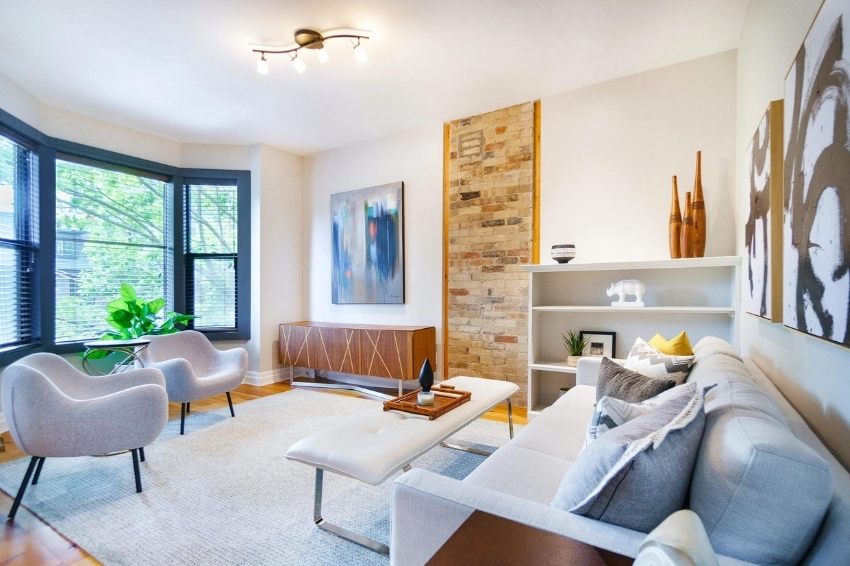
Buying a property is a major financial commitment, and it's rarely a decision that should be made after just one visit. While the first visit helps you get an overall impression of the property, the second visit is your opportunity to look beyond appearances and evaluate whether the property truly meets your expectations.
Many buyers focus on attractive interiors, amenities, or pricing during the first visit. However, the second visit should be more detailed and objective. It's the right time to inspect the property's condition, understand the neighbourhood, and ask important questions before making a final decision.
Here are the key things you should look for during your second property visit.
Visit at a Different Time of Day
The experience of a property can change depending on the time you visit.
If your first visit was during the afternoon, consider returning in the morning or evening. This helps you observe:
- Traffic conditions
- Noise levels
- Parking availability
- Natural lighting
- Neighbourhood activity
A location that appears quiet during the day may be much busier during peak hours.
Evaluate Natural Light and Ventilation
Good ventilation and natural light improve both comfort and energy efficiency.
During your second visit, notice how sunlight enters different rooms and whether there is adequate airflow throughout the property. Well-lit and ventilated homes generally provide a healthier and more pleasant living environment.
Also check whether nearby buildings block sunlight or reduce privacy.
Inspect the Property More Carefully
Now is the time to pay attention to details that you may have overlooked during your first visit.
Look for:
- Cracks in walls or ceilings
- Signs of dampness or water leakage
- Uneven flooring
- Quality of doors and windows
- Plumbing fixtures
- Electrical switches and sockets
Identifying these issues early can help you avoid unexpected repair costs after purchase.
Test Essential Utilities
Don't hesitate to check whether important systems are functioning properly.
If possible, inspect:
- Water pressure in bathrooms and kitchens
- Electrical outlets
- Lighting fixtures
- Lift operation (for apartments)
- Power backup systems
- Mobile network coverage
- Internet availability
These everyday conveniences can have a significant impact on your living experience.
Assess Common Areas and Amenities
If you're buying an apartment, spend time exploring the common facilities instead of focusing only on the unit itself.
Check the condition of:
- Parking areas
- Lobbies
- Staircases
- Corridors
- Clubhouse
- Gym
- Children's play area
- Landscaped spaces
- Security systems
Well-maintained common areas often indicate effective property management.
Observe the Neighbourhood
A property should be evaluated along with its surroundings.
Walk around the neighbourhood and look for:
- Grocery stores
- Schools
- Hospitals
- Public transport
- Restaurants
- Parks
- Banks
- Pharmacies
Also observe the cleanliness, road conditions, and overall atmosphere of the area.
Understand Maintenance and Community Management
Ask about the property's ongoing maintenance.
Important questions include:
- What are the monthly maintenance charges?
- What services are included?
- Who manages the property?
- How are common areas maintained?
- Are there any planned major repair expenses?
Understanding these details helps you estimate the true cost of ownership.
Verify Parking and Accessibility
Parking is often overlooked during the excitement of viewing a property.
Confirm:
- Your allocated parking space
- Visitor parking availability
- Ease of vehicle access
- Entry and exit points
- Accessibility for senior citizens and people with mobility challenges
Practical features like these contribute to everyday convenience.
Ask Questions You Didn't Ask Before
Your second visit is the perfect opportunity to clarify any remaining doubts.
You may want to ask:
- Why is the property being sold?
- How old is the building?
- Have there been any major repairs?
- Are all legal documents available?
- What fixtures and fittings are included in the sale?
- Are there any restrictions imposed by the residents' association?
The more informed you are, the more confident your decision will be.
Bring a Family Member or Trusted Advisor
A second opinion can be extremely valuable.
A family member, friend, or experienced real estate professional may notice details that you missed. They can provide practical feedback and help you evaluate the property more objectively rather than making an emotional decision.
Don't Rush Your Decision
Even if the property appears ideal, avoid making a decision under pressure.
Take time after your second visit to compare it with other options, review your budget, verify documents, and consider whether the property meets both your current needs and future plans.
A thoughtful approach can help you avoid costly mistakes and ensure greater satisfaction with your purchase.
Conclusion
The first property visit is about creating an impression, but the second visit is about confirming whether the property is truly the right choice. By carefully inspecting the home, evaluating the neighbourhood, checking essential utilities, understanding maintenance responsibilities, and asking the right questions, you can make a more informed decision.
Buying a property is a long-term investment, and a thorough second visit can give you the confidence that you're choosing a home that offers comfort, value, and peace of mind for years to come.