
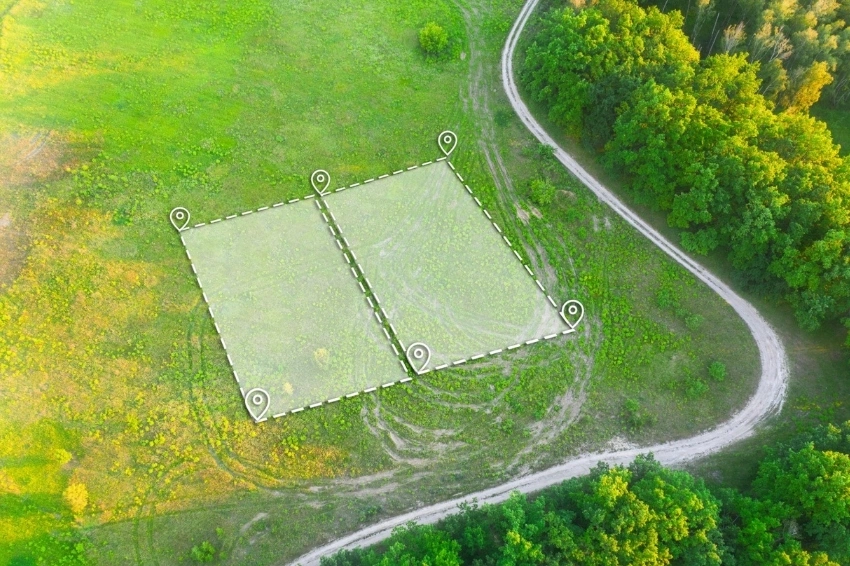
Purchasing land can be a rewarding investment, but it also comes with responsibilities that go beyond checking the price and ownership documents. One of the most important yet often overlooked steps is property boundary verification. Even if the seller has a clear title, disputes over property boundaries can create legal complications, delays, and unexpected expenses in the future.
Before buying any plot or land, it is essential to confirm that the property's physical boundaries match the official records. Proper land boundary verification protects your investment and helps ensure that you are purchasing exactly what is described in the legal documents.
In this guide, we'll explain why property boundary verification is important, how it is carried out, and the steps every buyer should follow before purchasing land.
What Is Property Boundary Verification?
Property boundary verification is the process of confirming the exact physical limits of a property using official land records, survey details, and site inspections.
The purpose of this verification is to ensure that:
- The land dimensions match the legal documents.
- Boundary markings are accurate.
- There are no encroachments.
- The property corresponds with the approved survey records.
- Buyers receive the exact land they are paying for.
This process forms an essential part of property due diligence before completing any land transaction.
Why Is Boundary Verification Important?
Many land disputes arise because buyers rely only on documents without verifying the property's actual boundaries.
Boundary verification helps buyers:
- Prevent ownership disputes.
- Confirm the exact size of the property.
- Identify encroachments by neighbouring properties.
- Verify survey measurements.
- Avoid future legal complications.
- Make informed investment decisions.
A small discrepancy in boundaries can result in significant legal and financial challenges after purchase.
Verify the Survey Number
Every property is identified through an official survey number maintained by the local revenue authorities.
Before purchasing land:
- Confirm that the survey number matches the title documents.
- Verify that the survey number corresponds to the property being shown.
- Ensure that all legal records refer to the same parcel of land.
Incorrect survey details can create confusion regarding ownership and boundaries.
Compare Legal Documents with Revenue Records
Property documents should always be cross-checked with government-maintained records.
Review documents such as:
- Title Deed
- Sale Deed
- Revenue Records
- Property Tax Records
- Survey Records
The information in these documents should be consistent regarding ownership, survey number, land extent, and boundaries.
Any mismatch should be clarified before proceeding with the purchase.
Conduct a Physical Site Inspection
Never rely solely on maps or photographs.
Visit the property and inspect:
- Existing boundary markers
- Compound walls
- Fencing
- Access roads
- Neighbouring properties
- Physical dimensions
A site visit helps buyers identify visible issues that may not appear in official documents.
Engage a Licensed Surveyor
One of the safest ways to complete property boundary verification is by hiring a licensed land surveyor.
A professional surveyor can:
- Measure the land accurately.
- Identify official property boundaries.
- Compare physical measurements with survey records.
- Detect encroachments.
- Prepare an updated survey report when required.
Although this involves an additional cost, it can help prevent expensive legal disputes later.
Watch for Encroachments
Encroachment occurs when a neighbouring property extends beyond its legal boundary.
Examples include:
- Compound walls built inside the property.
- Buildings crossing boundary lines.
- Shared access roads without legal rights.
- Unauthorised structures.
Identifying encroachments before purchase helps buyers avoid future ownership conflicts.
Speak with Neighbouring Property Owners
Where appropriate, interacting with neighbouring property owners can provide useful information.
They may be aware of:
- Existing boundary disputes.
- Shared access arrangements.
- Previous ownership issues.
- Local property history.
While this should not replace legal verification, it can provide additional insights before making a purchase.
Common Mistakes Buyers Should Avoid
Many buyers unknowingly increase their legal risk by skipping important verification steps.
Avoid these common mistakes:
- Buying land without a professional survey.
- Trusting only verbal boundary descriptions.
- Ignoring survey numbers.
- Failing to compare legal documents with revenue records.
- Assuming boundary walls accurately represent legal boundaries.
- Skipping a physical inspection.
A careful verification process significantly reduces the chances of future disputes.
Conclusion
Property boundary verification is one of the most important steps before buying land. It ensures that the property's legal records match its physical boundaries, helping buyers avoid ownership disputes, encroachments, and costly legal issues.
Before completing any land purchase, verify the survey number, compare legal and revenue records, inspect the property, and consider engaging a licensed surveyor for accurate measurements. Taking these precautions will help protect your investment and provide greater confidence throughout the property buying process.