
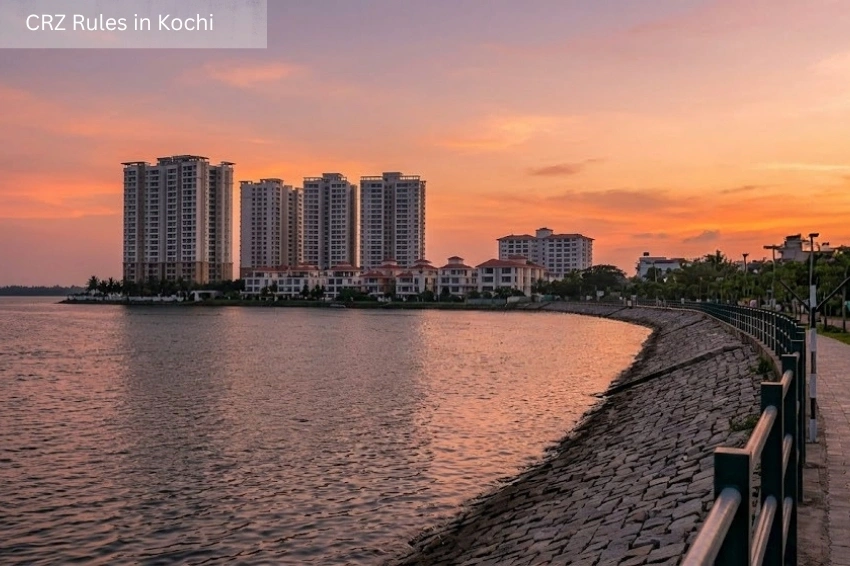
Kochi is known for its beautiful backwaters, scenic waterfronts, and premium residential locations such as Marine Drive, Bolgatty, Thevara, and parts of Vypin. Waterfront apartments, villas, and plots continue to attract homebuyers, NRIs, and investors looking for a unique lifestyle and strong long-term investment potential.
However, buying a waterfront property involves more than choosing the perfect view. One of the most important aspects every buyer should understand is the Coastal Regulation Zone (CRZ). Many buyers have heard about CRZ rules, but few know what they actually mean or how they affect property ownership and construction.
This guide explains CRZ Rules in Kochi, why they matter, and how you can confidently purchase a legally compliant waterfront property.
What Is the Coastal Regulation Zone (CRZ)?
The Coastal Regulation Zone (CRZ) is a set of environmental regulations issued by the Government of India to protect coastal ecosystems while allowing sustainable development in eligible areas.
These regulations are implemented in Kerala by the Kerala Coastal Zone Management Authority (KCZMA), which oversees CRZ compliance, reviews proposals, and monitors development activities in coastal areas.
The primary objectives of CRZ regulations are to:
• Protect coastal ecosystems and biodiversity.
• Preserve beaches, backwaters, mangroves, and wetlands.
• Prevent unplanned or environmentally harmful construction.
• Promote sustainable development in coastal regions.
The purpose of CRZ is not to stop development altogether but to ensure that development takes place responsibly and in accordance with environmental regulations.
Why CRZ Rules Are Important in Kochi
Kochi's geography makes it unique. The city is surrounded by the Arabian Sea, rivers, canals, lakes, and extensive backwaters.
As a result, several areas may fall under CRZ regulations depending on their location and the approved Coastal Zone Management Plan (CZMP).
This makes CRZ awareness particularly important for buyers considering:
• Waterfront apartments
• Backwater-facing villas
• Coastal plots
• Resort properties
• Commercial developments near the waterfront
Understanding whether a property is affected by CRZ regulations can help buyers avoid legal complications later.
Does Every Waterfront Property Come Under CRZ?
No.
One of the biggest misconceptions is that every waterfront property is restricted or illegal.
In reality, CRZ regulations classify coastal areas into different categories, and the rules vary depending on the classification and the approved Coastal Zone Management Plan.
Many legally approved residential and commercial developments exist in CRZ-regulated areas because they have received the required permissions and comply with applicable regulations.
Being located near the waterfront does not automatically mean a property is illegal.
Common Myths About CRZ
Myth 1: No construction is allowed in CRZ areas.
This is incorrect.
Certain types of development are permitted, subject to applicable regulations, approvals, and the CRZ category.
Myth 2: Waterfront apartments are illegal.
Many reputed residential projects have been developed after obtaining the necessary approvals from the competent authorities.
Myth 3: You cannot buy or sell property in CRZ areas.
Properties located within CRZ areas can be bought and sold, provided they comply with applicable laws and approvals.
The key is to verify the property's legal status before completing the purchase.
What Buyers Should Check Before Purchasing
If you're planning to buy a waterfront property in Kochi, don't focus only on the view or location.
Verify the following:
• Clear property title
• Approved building plan
• Building permit
• Occupancy Certificate (for completed projects)
• Completion Certificate, where applicable
• Property tax records
• Any CRZ clearance required for the project
• Compliance with local building regulations
If you're unsure, consult a qualified legal professional before signing any agreement.
Buy from Reputed Developers
One of the safest ways to minimise risk is by purchasing from established developers with a strong track record.
Reputed builders generally obtain the necessary statutory approvals before commencing construction. However, buyers should still request and verify relevant documentation instead of relying solely on marketing materials.
Doing your own due diligence remains an important part of the buying process.
Why Legal Verification Matters
Legal verification should never be treated as a formality.
Before making a significant investment, ensure that:
• Ownership documents are clear.
• Government approvals are in place.
• The approved plans match the completed construction.
• There are no unresolved legal disputes affecting the property.
A legal review can save buyers from future complications and provide greater confidence in the purchase.
Are Waterfront Properties Still a Good Investment?
Absolutely.
Waterfront properties continue to be among the most desirable real estate assets in Kochi because of their:
• Scenic surroundings
• Premium lifestyle
• Limited supply
• Strong buyer demand
• Long-term investment appeal
Locations such as Marine Drive, Bolgatty, and Thevara remain highly sought after because they combine excellent connectivity with beautiful waterfront views.
The key is choosing properties that are legally approved and developed in accordance with applicable regulations.
Red Flags Buyers Should Never Ignore
When evaluating a waterfront property, be cautious if:
• The seller is unwilling to provide approvals.
• Construction differs from approved plans.
• Documents appear incomplete.
• Unrealistic promises are made about future approvals.
• The asking price is unusually low compared to nearby properties.
If something seems too good to be true, it's worth investigating further before proceeding.
Why CRZ Rules Benefit Buyers
Many people think CRZ regulations only create restrictions.
In reality, they also help protect property owners by:
• Preserving waterfront environments.
• Preventing unplanned development.
• Maintaining scenic surroundings.
• Supporting sustainable growth.
• Protecting long-term environmental quality.
Responsible planning helps ensure that waterfront locations remain attractive places to live for future generations.
Conclusion
Waterfront living in Kochi offers a unique combination of natural beauty, premium lifestyle, and long-term investment potential. However, every buyer should understand the importance of CRZ Rules before purchasing a waterfront apartment, villa, or plot.
The good news is that CRZ does not mean development is prohibited. Many high-quality residential projects have been developed after obtaining the necessary approvals and complying with applicable regulations.
The safest approach is to verify legal documents, check project approvals, and seek professional legal advice wherever required. By combining careful due diligence with informed decision-making, buyers can confidently invest in waterfront properties while enjoying all that Kochi's beautiful coastline and backwaters have to offer.
Frequently Asked Questions
1. What is the Coastal Regulation Zone (CRZ)?
The Coastal Regulation Zone (CRZ) is a set of environmental regulations that govern development in designated coastal areas to protect ecosystems while allowing sustainable development where permitted.
2. Are all waterfront properties in Kochi covered by CRZ rules?
Not necessarily. Whether a property falls under CRZ depends on its location and the approved Coastal Zone Management Plan. Buyers should verify the property's status before purchasing.
3. Can I buy an apartment in a CRZ area?
Yes, provided the project has the necessary approvals and complies with applicable regulations. Always verify the legal documents and approvals before buying.
4. What documents should I verify before buying a waterfront property?
Check the title deed, approved building plans, building permit, Occupancy Certificate (for completed projects), tax records, and any CRZ-related approvals that may apply to the project.