
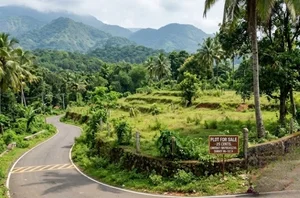
When searching for a residential plot in Kochi, buyers often focus on location, price, road access and neighbourhood development. However, one detail that deserves closer attention is the plot's position on the road. A plot located at the end of a road may offer greater privacy and less passing traffic, but could also present challenges related to accessibility, drainage and future development.
So, is buying a plot at the end of a road a smart real estate investment or a decision that could create problems later? The answer depends on the plot's layout, legal status, infrastructure and long-term suitability.
Why Do Buyers Consider Plots at the End of a Road?
Plots situated at the end of a road, particularly those on dead-end roads, can appeal to buyers looking for a quieter residential environment. Since there is usually less through traffic, these locations may offer a more peaceful setting than plots along busy roads.
For people planning to build an independent house in Kochi or its developing suburbs, reduced traffic and fewer passing vehicles can be attractive advantages. Depending on the surrounding properties and road layout, the location may also offer more privacy.
Another possible advantage is price. Some plots at the end of a road may be priced differently from comparable plots on main roads because of limited connectivity or lower commercial visibility. This could create an opportunity for buyers, provided the price reflects the property's actual advantages and limitations.
However, not every end-of-road plot is a bargain. Buyers must evaluate the specific property rather than making a decision based only on its position.
5 Advantages of Buying a Plot at the End of a Road
1. Less Traffic and More Privacy
One of the main advantages of a dead-end road plot is reduced traffic movement. With fewer vehicles passing by, the surroundings may feel quieter and more private.
This can be beneficial for families planning to construct a residential house away from busy traffic routes.
2. A Quieter Residential Environment
Plots located away from through roads may experience less traffic noise and disturbance. However, the actual environment depends on nearby commercial establishments, construction activity and neighbouring properties.
3. Potential Pricing Advantages
Some buyers may find a plot at the end of a road available at a more attractive price than a similar property with better road frontage. Comparing prices across the same locality can help determine whether the asking price represents genuine value.
4. Suitable for Specific House Designs
Depending on the plot's dimensions, road width and boundaries, its location may suit a home designed for privacy, a landscaped entrance or a more secluded outdoor space.
The design possibilities will depend on the actual site conditions and applicable building regulations.
5. Less Exposure to Passing Vehicles
For buyers who prefer a residential setting over a busy roadside location, reduced vehicle movement can be a practical benefit. This may be particularly appealing when the primary objective is to build a personal residence rather than a commercial property.
What Problems Should Buyers Check Before Purchasing?
Despite these advantages, buying land at the end of a road requires careful evaluation. Certain limitations may affect everyday convenience, construction and resale value.
1. Road Access and Turning Space
Road width is one of the most important factors to examine when buying a plot in Kochi. A narrow dead-end road may make it difficult for larger vehicles, construction trucks or emergency vehicles to enter and turn around.
Visit the property with a realistic understanding of how you will access it after construction. Check whether the road allows convenient entry and exit for cars and other vehicles.
2. Drainage and Waterlogging
Drainage deserves special attention in Kerala, where heavy monsoon rainfall can expose weaknesses in road levels and water management.
Check whether rainwater accumulates near the end of the road, whether roadside drains are available and where excess water flows. Look at the surrounding ground levels and ask neighbours about past waterlogging.
A plot that appears suitable during dry weather may present drainage challenges during the monsoon.
3. Legal Road Access
Before purchasing land, verify that the property has legally recognised access to a public road or a properly established right of way.
Do not assume that an existing pathway automatically provides sufficient legal access. Examine the relevant title documents, survey records and applicable access rights with a qualified property lawyer.
For buyers considering land for sale in Kochi, this step is particularly important when the access road passes through privately owned land.
4. Limited Future Development Options
If the road is narrow or has limited turning space, future construction, renovation or redevelopment may become more complicated. The availability of utility connections and the ability to bring construction materials to the site should also be assessed.
Check the applicable local building rules and obtain professional advice before committing to the purchase.
5. Resale Demand and Property Value
A quiet location may appeal to some buyers but discourage others who prioritise easy vehicle access, road frontage or future flexibility.
When evaluating a plot as a long-term investment, compare recent transactions and available properties in the same locality. Consider who is most likely to buy the property from you in the future.
A lower purchase price does not automatically guarantee better appreciation or easier resale.
How to Evaluate an End-of-Road Plot Before Buying
Before finalising a residential plot purchase, follow these practical steps:
• Visit at different times: Observe traffic, neighbourhood activity and accessibility during peak hours and quieter periods.
• Inspect during rainy weather: Where possible, check drainage performance and signs of waterlogging.
• Measure the road: Confirm the usable road width, turning space and vehicle access.
• Verify ownership and access: Have a qualified lawyer review the title, survey details, encumbrance information and legal road access.
• Check development requirements: Confirm applicable zoning, building regulations, setbacks and other approvals with the relevant local authority.
• Compare market prices: Evaluate similar plots nearby to understand whether the asking price is reasonable.
• Assess future needs: Consider whether the location will suit your intended house design, family requirements and eventual resale plans.
Conclusion
Buying a plot at the end of a road can be a smart decision when privacy, reduced traffic and a peaceful residential setting are priorities. However, the property should also offer reliable legal access, practical road connectivity, effective drainage and a price that reflects local market conditions.
The bottom line: A dead-end road is not necessarily a disadvantage. The real question is whether the plot provides the access, infrastructure, legal certainty and long-term value you need.
Explore available residential plots and property opportunities on Bynsel.com to compare locations and make a more informed property decision.