
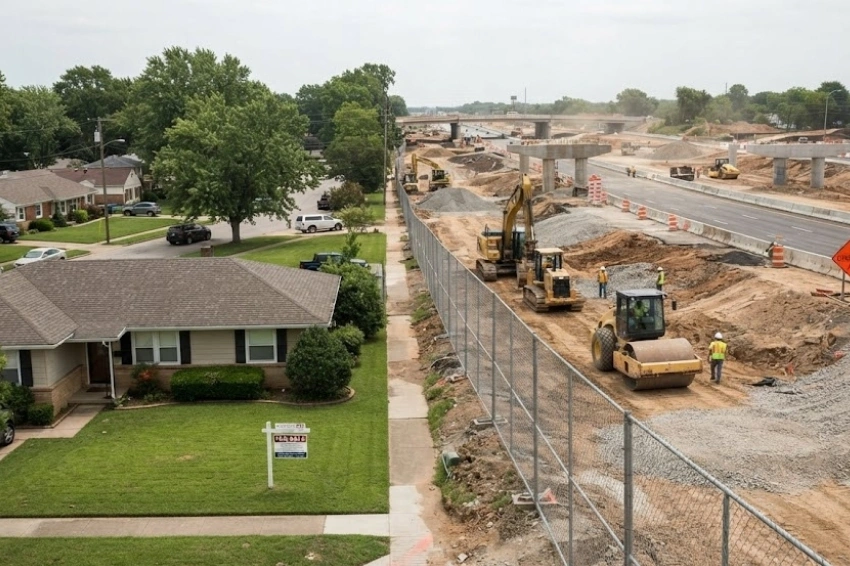
Buying a property near a proposed road project can seem like an attractive investment opportunity. Better connectivity, improved accessibility and potential commercial development may increase interest in the surrounding area. However, a proposed road does not automatically guarantee higher property value.
For buyers exploring property for sale in Kochi, understanding the difference between a planned project and a completed infrastructure development is essential. Delays, land acquisition, design changes and access restrictions can affect the expected benefits.
Before purchasing land or an apartment near a proposed road, consider the following factors.
1. Understand the Current Status of the Road Project
The word “proposed” can refer to different stages of development. A road may be under initial planning, awaiting approval, undergoing land acquisition or moving toward construction.
These stages carry different levels of certainty.
Before making a purchase, find out whether the project has received the necessary approvals and whether an official alignment has been announced. Do not rely entirely on statements from property sellers, brokers or informal discussions.
Ask for verifiable information from relevant government departments or official project announcements. Understanding the current status can help you distinguish between a realistic infrastructure opportunity and an uncertain future possibility.
2. Check the Exact Road Alignment
A property advertised as being near a proposed road may not necessarily benefit from the final alignment.
The road could pass farther away than expected, change direction or affect the property directly. In some cases, the proposed development may create access restrictions or require portions of private land.
When evaluating land for sale in Kochi, check the property's exact location against available official plans. Review road width, entry points, junctions and potential access changes.
3. Verify Possible Land Acquisition
Road expansion and new infrastructure projects may require land acquisition. This can affect property owners, boundaries, access and future construction possibilities.
If a property falls within or near a proposed acquisition area, buyers should understand the potential implications before proceeding.
Ask whether any acquisition notification has been issued and whether the property is affected by the proposed alignment. A qualified legal professional can help review relevant documents and explain possible concerns.
4. Consider the Timeline Carefully
Infrastructure projects can take longer than initially expected. Delays may occur because of approvals, funding, land acquisition, environmental considerations, technical changes or legal issues.
This is particularly important for investors purchasing property based on expected future appreciation.
If your financial plan depends on the road being completed within a specific period, consider what could happen if the project is delayed.
When comparing property investment in Kochi, evaluate the existing location and infrastructure rather than relying entirely on the expected completion date of a proposed project.
5. Examine Existing Connectivity
A proposed road may improve connectivity, but buyers should first assess how accessible the property is today.
Check the condition of existing roads, public transportation options, nearby junctions and travel time to important destinations. Consider access to schools, hospitals, workplaces, shopping areas and major transport routes.
A property with poor current access may take time to benefit from future development. Meanwhile, buyers and tenants may face daily inconvenience.
6. Evaluate Noise, Traffic and Privacy
Improved roads can increase accessibility, but they may also bring additional traffic, noise and commercial activity.
A property located close to a future major road could experience changes in its surrounding environment. Increased vehicle movement may affect privacy, air quality and noise levels, depending on the road's design and traffic volume.
Visit the property and inspect its surroundings. Consider the distance from the proposed road, nearby buildings, entrances and possible service roads.
For residential buyers, the most convenient location is not always the one closest to heavy traffic. Balance accessibility with comfort and privacy.
7. Check Development Restrictions
Road projects may influence construction rules, setbacks, access points and the usable portion of a property.
Before purchasing land, verify the applicable zoning requirements, road boundaries, building restrictions and permitted uses. These details can affect whether you can construct a home, commercial building or other planned development.
For apartments, review the project's approved plans and access arrangements. If the property is near a major junction or widening project, ask whether any changes could affect parking, entry or surrounding common areas.
8. Compare Current Prices with Similar Properties
Some properties near proposed infrastructure projects may be marketed at higher prices based on expected future benefits.
However, buyers should compare the asking price with similar properties in nearby locations. Consider the property's size, road access, land characteristics, existing facilities and current demand.
Research comparable listings and assess whether the property offers reasonable value without depending entirely on future appreciation. This approach can help reduce the risk of purchasing based on exaggerated expectations.
9. Think About Future Resale and Rental Demand
A completed road project may influence rental demand and resale interest, but the impact will depend on the type of development and the surrounding area.
Improved access to employment Centre’s, educational institutions and commercial locations may benefit some properties. Others may face increased noise, congestion or reduced privacy.
Consider who the future buyer or tenant might be. Families, professionals, businesses and investors may have different requirements.
Conclusion
Properties near proposed road projects can present opportunities, but they also require careful verification. Buyers should examine the project's official status, exact alignment, possible land acquisition, timeline, access arrangements and potential impact on the surrounding environment.