
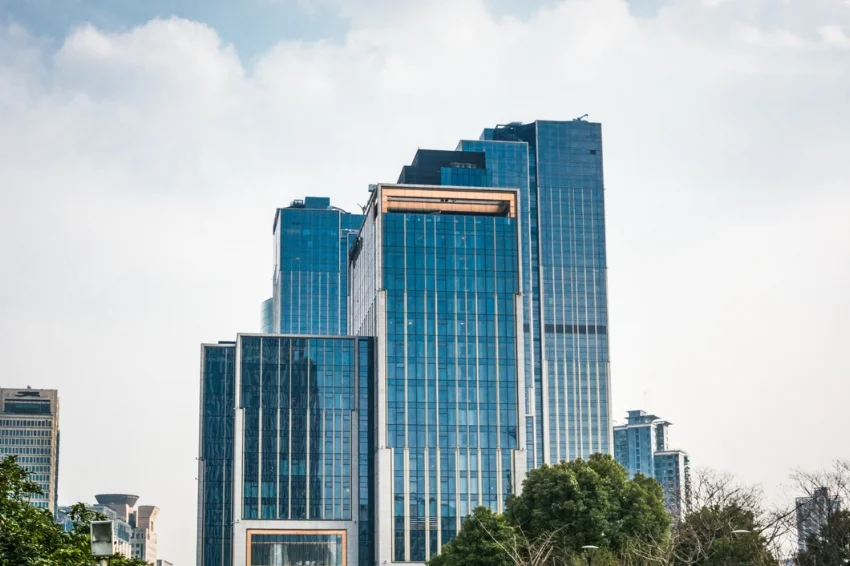
When searching for commercial property in Kochi, buyers may come across office spaces, shops or commercial buildings that have remained on the market for several months. While a property that has not sold quickly may raise questions, it does not automatically mean that the investment is a bad one. In some cases, the asking price may be unrealistic. In others, the property may have specific limitations or simply be waiting for the right buyer.
Before making an offer, here are seven important factors to evaluate when a commercial property has been on the market for months.
1. Compare the Asking Price with Similar Properties
One of the first things to examine is whether the property's asking price reflects current market conditions. Sellers sometimes set prices based on previous market trends, personal expectations or the amount they have invested in the property.
Research similar commercial properties for sale in Kochi, focusing on the same locality, usable area, building type and available facilities. Compare the asking price per square foot, while accounting for differences in property condition, parking, accessibility and building amenities.
If the property is priced significantly higher than comparable options, the asking price could be contributing to the delay.
A property that has remained unsold may offer room for negotiation, but do not assume that the seller will automatically accept a lower offer. Base your proposal on market evidence and the property's actual condition.
2. Investigate the Location and Accessibility
Location plays a significant role in determining the suitability of commercial real estate. A property may look attractive on paper but struggle to attract buyers if its surroundings do not support the intended business activity.
Check road connectivity, public transport access, parking availability and proximity to relevant commercial hubs. For retail spaces, visibility, pedestrian movement and ease of entry may influence business performance. For office properties, employee commuting, client access and nearby amenities can be more important.
For example, an office in a location with limited parking may be less appealing to businesses that regularly receive clients. Similarly, a retail unit with poor visibility may face challenges attracting walk-in customers.
Visit the property at different times of the day to understand traffic conditions and activity in the surrounding area.
3. Inspect the Property's Condition and Maintenance
A commercial property that has remained vacant for an extended period may require closer inspection. Depending on its age and maintenance history, there could be issues involving electrical systems, plumbing, air conditioning, waterproofing or internal finishes.
Look for damp patches, cracks, damaged flooring, poor ventilation and signs of water leakage. Check whether common areas, lifts, washrooms and parking facilities are properly maintained.
For larger commercial buildings, ask about the condition of shared infrastructure and any planned maintenance work.
When calculating the cost of buying commercial property, include any repairs, renovation expenses and fit-out work needed before occupation. A seemingly affordable property may become less attractive if substantial improvements are required.
4. Understand Why the Property Has Not Sold
Rather than making assumptions, ask the seller or property agent why the commercial space has remained available.
Possible explanations include an unrealistic asking price, limited buyer demand, a change in the owner's plans or a mismatch between the property's features and local business requirements.
Other factors may include a restrictive layout, limited parking, high maintenance charges or incomplete documentation.
Request relevant details and verify important claims independently. For instance, if the seller says that the property has attracted several enquiries but no offers, ask whether buyers have raised recurring concerns about the price, layout or building condition.
The property's time on the market is useful information, but it is not enough on its own to determine whether the investment is worthwhile.
5. Verify Legal Documents and Property Approvals
Legal and documentation checks are essential when purchasing commercial property, particularly if a transaction has been delayed or previous buyers have withdrawn.
Ask a qualified property lawyer to examine the title documents, ownership details, encumbrance information, applicable building approvals and other relevant records.
Verify whether the property's approved use matches your intended business activity. Depending on the property, you may also need to check occupancy approvals, fire safety requirements, parking provisions and other applicable regulations.
If the commercial space is part of a larger building or commercial complex, review the maintenance arrangements, association obligations and any outstanding dues relevant to the transaction.
Do not assume that a low asking price justifies overlooking unresolved legal or approval issues. Any concerns should be clarified before paying an advance or signing a binding agreement.
6. Evaluate Rental Potential and Total Ownership Costs
For buyers considering commercial property as an investment, the property's rental potential is just as important as its purchase price.
Research comparable commercial rental properties in the same locality. Consider the likely tenant profile, prevailing rental rates, vacancy periods and the demand for similar spaces.
Calculate the expected annual rental income against the purchase price, while accounting for periods without tenants and recurring expenses.
These expenses may include maintenance charges, property taxes, insurance where applicable, repairs and any costs associated with preparing the premises for a new tenant.
A property that has remained vacant for months may still be a sound investment if the price, location and rental prospects are appropriate. However, projected returns should be based on realistic market evidence rather than the seller's estimates alone.
7. Use the Listing History to Negotiate Carefully
A lengthy time on the market can provide useful context during price negotiations. If the property has been available for months without attracting a suitable buyer, the seller may be willing to reconsider the asking price.
Before negotiating, establish a reasonable value using comparable properties, inspection findings and estimated ownership costs.
If repairs are needed, obtain quotations to understand the likely expenditure. You can then make an offer that accounts for these costs rather than requesting an arbitrary discount.
Also clarify the seller's timeline and willingness to negotiate. Some sellers may be flexible, while others may have no urgency to complete the transaction.
The goal is not simply to buy a property at a lower price, but to secure a commercial asset that makes financial and practical sense.
Conclusion
A commercial property that has been on the market for months deserves careful evaluation, not automatic rejection. Its listing history may reveal pricing issues, property limitations or an opportunity to negotiate better terms.
Before investing in commercial property in Kochi, compare market prices, assess accessibility, inspect the building, verify legal documents and calculate realistic ownership costs.
A well-informed decision comes from understanding both the property's drawbacks and its potential advantages.